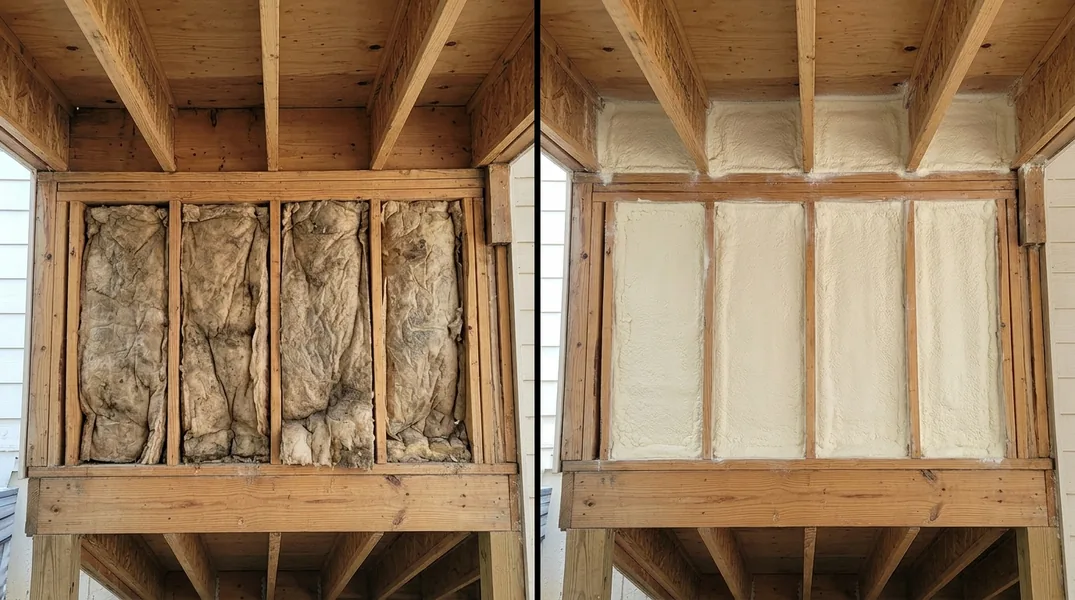
Is Spray Foam Insulation Worth It? The Austin Homeowner's Guide
If you're a homeowner in Austin, you've probably heard the buzz about spray foam insulation. It promises better energy efficiency, lower utility bills, and superior air sealing compared to traditional fiberglass batts. But with all the questions circulating about safety and long-term performance, you might be wondering if the investment is truly worthwhile for your home.
The short answer is yes, spray foam insulation can absolutely be worth it, but the decision depends on your specific situation, budget, and goals. Understanding both the genuine benefits and the legitimate concerns will help you make an informed choice. At Austin Spray Foam Insulation, we believe homeowners deserve honest, straightforward information to guide their decisions. Let's break down what you really need to know.
Spray Foam Insulation Pros and Cons: What Really Matters
Spray foam insulation offers several compelling advantages that explain its growing popularity across Austin and beyond. The primary benefit is superior air sealing. Unlike traditional insulation materials, spray foam expands to fill every crack, crevice, and gap in your attic, walls, or crawl spaces. This creates an exceptional thermal barrier that reduces air leakage, which is responsible for approximately 30 percent of heating and cooling losses in many homes. When properly installed, this translates to measurable energy savings and increased comfort throughout the year.
Another significant advantage is moisture resistance. Closed Cell Spray Foam Insulation is particularly effective at blocking water vapor and preventing moisture intrusion, which can lead to mold growth and structural damage. This is especially valuable in humid climates. Additionally, spray foam provides excellent sound dampening and can improve indoor air quality by sealing out dust, pollen, and outdoor pollutants when installed correctly.
However, spray foam insulation does have legitimate drawbacks worth considering. The upfront cost is higher than fiberglass or cellulose insulation, sometimes two to three times more expensive per square foot. Installation requires professional application, so you cannot DIY this project. Some homeowners also express concerns about the chemicals used in the manufacturing process and potential off-gassing, which we'll address in detail below. Additionally, once spray foam is installed, it's difficult and expensive to modify if you need to access wall cavities or make changes to your home's structure later.
Is Spray Foam Insulation Safe? Addressing Off-Gassing and Chemical Concerns
Safety is a legitimate question that deserves a thorough, honest answer. Spray foam insulation is safe when installed properly by trained professionals and when it's allowed adequate time to cure. The two-part chemical reaction that creates spray foam (isocyanate and polyol resin) produces a solid plastic material. Once fully cured, which typically takes 24 to 48 hours, the material itself poses no health risk to occupants.
The real safety concerns relate to the installation process and the curing period. During application, spray foam releases volatile organic compounds (VOCs) and can produce isocyanate fumes, which can irritate the respiratory system. This is why professional installers wear protective equipment and why your home should be properly ventilated during and after application. If you're present during installation, it's best to leave the premises or remain in a well-ventilated area away from the work zone.
Spray foam off-gassing is a concern that gets discussed frequently online, but it's important to distinguish between the curing period and long-term off-gassing. In the first 24 to 48 hours after installation, some odor and VOC release is normal and expected. This is why ventilation is critical during curing. However, once fully cured, high-quality spray foam products emit minimal to negligible VOCs. The EPA and leading manufacturers have conducted extensive testing on this, and modern spray foam formulations are significantly improved compared to products from 10 or 15 years ago.
To minimize any health concerns, work with a reputable contractor who uses quality materials, follows industry best practices, and ensures proper ventilation during installation. Ask your contractor about the specific products they use and request Safety Data Sheets (SDS) for those products. At Austin Spray Foam Insulation, we prioritize safety in every project and are happy to discuss our materials and methods when you call (737) 404-4885.
Common Spray Foam Insulation Problems and How to Avoid Them
While spray foam insulation is effective when installed correctly, poor installation or substandard materials can create problems. One common issue is inadequate expansion or incomplete fill. If the spray foam doesn't expand properly or if the contractor doesn't fill all gaps thoroughly, you won't achieve the air sealing benefits you're paying for. This is why choosing an experienced, qualified contractor matters tremendously.
Another potential problem is improper application around electrical outlets, recessed lights, or HVAC penetrations. If foam is applied too thickly around electrical boxes or light fixtures, it can create a fire hazard. Professional installers know the proper application techniques and thickness requirements for different areas of your home. Additionally, some homeowners report issues with foam shrinking slightly over time or problems if the substrate was wet during installation. These issues are largely preventable through proper preparation and professional workmanship.
There's also the question of vapor permeability. Open Cell Spray Foam Insulation is more vapor-permeable than closed-cell foam, which can be an advantage in some climates but a disadvantage in others. Understanding which type is appropriate for your specific application is crucial. This is another area where professional guidance from a knowledgeable contractor makes a significant difference in long-term performance and satisfaction.
Attic Spray Foam Insulation Cost in Austin: What to Budget
Cost is a major consideration for most homeowners. Spray foam insulation typically ranges from $1.50 to $3.50 per board foot for closed-cell foam and $0.50 to $1.50 per board foot for open-cell foam, though these ranges can vary based on local market conditions, project complexity, and contractor expertise. For a typical attic project in Austin, you might expect to invest anywhere from $3,000 to $8,000 or more, depending on your attic size and the type of foam selected.
While this is significantly more expensive than traditional fiberglass insulation (which might cost $500 to $2,000 for the same space), the energy savings and long-term benefits often justify the investment. Many homeowners recoup their investment through reduced utility bills within 5 to 10 years, and the improved comfort and air quality benefits extend far beyond the payback period. Additionally, some utility companies and government programs offer rebates or incentives for energy-efficient home improvements, which can offset some of the upfront cost.
When evaluating pricing from different contractors, be wary of quotes that seem significantly lower than the market rate. Quality materials, proper installation, and professional expertise have a cost. A bargain-basement price often indicates shortcuts that could compromise performance and safety. Request detailed quotes that specify the type of foam, thickness, coverage area, and any preparation or cleanup services included. Austin Spray Foam Insulation is happy to provide a free estimate so you can understand exactly what your project will cost.
When to Call a Professional: Making Your Decision
Deciding whether spray foam insulation is right for your home comes down to evaluating your priorities and circumstances. If you're struggling with high energy bills, uneven temperature distribution throughout your home, or drafts and air leaks, spray foam is worth serious consideration. If you're planning a major renovation or building a new addition, spray foam should be part of the conversation. For homeowners in Austin with older homes that lack adequate insulation, the benefits are often substantial.
If you're concerned about cost or if your home already has adequate insulation in good condition, traditional insulation materials might serve your needs adequately. However, if you're willing to invest in superior long-term performance and comfort, spray foam is worth the premium price. The decision ultimately depends on your budget, your comfort goals, and how long you plan to stay in your home.
The best way to move forward is to get professional guidance from someone who understands your specific situation. Contact Austin Spray Foam Insulation at (737) 404-4885 to discuss your home's insulation needs. We'll provide honest advice about whether spray foam is the right choice for you, explain the process in detail, and answer any remaining questions about safety, performance, or cost. Whether you're considering Attic Spray Foam Insulation or exploring other options like Wall & Injection Foam Insulation, we're here to help you make the right decision for your home.
Looking for a professional spray foam insulation contractor in Austin? Austin Spray Foam Insulation responds fast for all your spray foam insulation needs.
Get a Free Quote